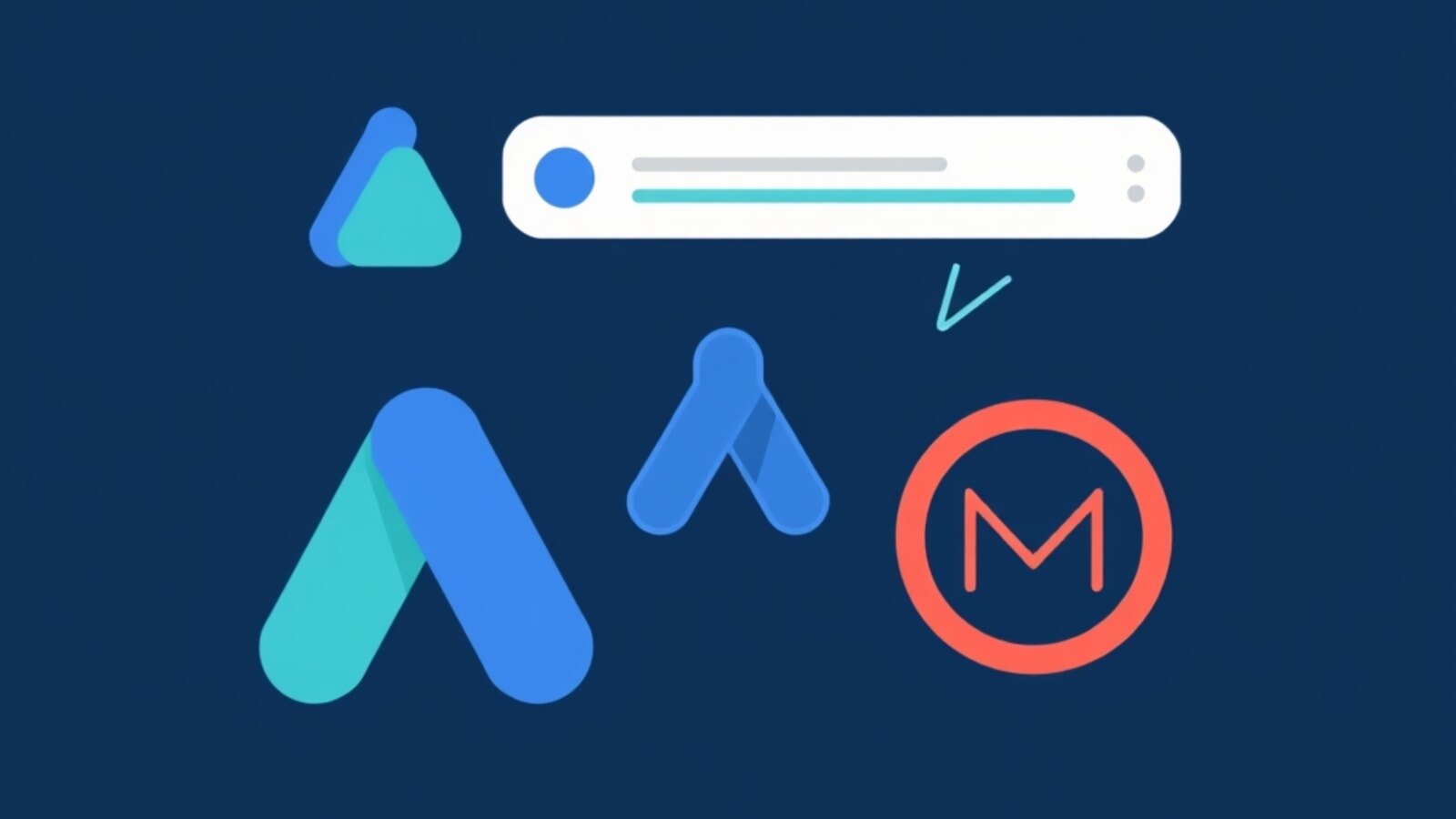
When it comes to online advertising, two platforms dominate the market: Google Ads and Meta Ads. Your business can benefit from both, but they serve different purposes and offer distinct advantages. Google Ads is ideal for businesses that want to reach customers actively searching for products or services like yours. Meta Ads, on the other hand, is better suited for businesses that want to reach a wider audience based on demographics, interests, and behaviors.
Understanding Google Ads
Google Ads is a pay-per-click advertising platform that allows your business to create and display ads to users who search for specific keywords on Google. This platform is great for businesses that offer products or services with high commercial intent, such as e-commerce sites or service-based businesses. With Google Ads, you can target users who are actively searching for what you offer, increasing the likelihood of converting them into customers.
Understanding Meta Ads
Meta Ads, formerly known as Facebook Ads, is a platform that allows your business to create and display ads on Meta’s family of apps, including Facebook, Instagram, and WhatsApp. This platform is ideal for businesses that want to reach a wider audience based on demographics, interests, and behaviors. Meta Ads offers a range of targeting options, including location, age, gender, and interests, making it a great platform for businesses that want to build brand awareness or drive website traffic.
Key differences between Google Ads and Meta Ads
The key differences between Google Ads and Meta Ads lie in their targeting options, ad formats, and pricing models. Google Ads is primarily focused on search intent, while Meta Ads is focused on demographic and interest-based targeting. Google Ads also offers a range of ad formats, including text ads, image ads, and video ads, while Meta Ads offers a range of ad formats, including image ads, video ads, and carousel ads. In terms of pricing, Google Ads operates on a cost-per-click model, while Meta Ads operates on a cost-per-thousand impressions model.
Choosing the right platform for your business
To choose the right platform for your business, consider the following factors:
- What are your advertising goals? If you want to drive conversions, Google Ads may be the better choice. If you want to build brand awareness, Meta Ads may be the better choice.
- Who is your target audience? If your target audience is actively searching for products or services like yours, Google Ads may be the better choice. If your target audience is defined by demographics, interests, or behaviors, Meta Ads may be the better choice.
- What is your budget? Google Ads can be more expensive than Meta Ads, especially for competitive keywords.
Some businesses may find that a combination of both Google Ads and Meta Ads works best for their advertising goals. For example, you could use Google Ads to drive conversions and Meta Ads to build brand awareness and drive website traffic.
Tips for getting started with Google Ads and Meta Ads
If you’re new to online advertising, here are some tips for getting started with Google Ads and Meta Ads:
- Start with a clear understanding of your advertising goals and target audience.
- Set a budget and bid strategy that aligns with your advertising goals.
- Create high-quality ad copy and visuals that resonate with your target audience.
- Monitor and optimize your ad performance regularly to ensure you’re getting the best possible return on investment.
If you’re unsure which platform is right for your business, or if you need help getting started with Google Ads or Meta Ads, write to Bezenti to discuss your options and create a customized advertising strategy that meets your business needs.
Topics
Want help with your project?
Tell us your idea and we'll reply within 24 h.